How to Self-Publish Short Stories and Poetry
To self-publish short stories or poetry, you gather the pieces into a collection, confirm you hold the rights to anything that has appeared elsewhere, edit and order them, format the print and eBook editions separately, and upload them to a platform such as Amazon KDP, which is free to use. A short book is allowed: a KDP paperback can be as short as 24 pages. Three things differ from publishing a novel: the rights to earlier work, keeping line breaks intact, and pricing a thin book.
First decide: magazines, a book, or both?
The order matters. Many literary magazines and contests take only unpublished work. Purdue University's writing lab says a piece that has already been self-published, or posted on a personal blog, a website or social media, is almost always not eligible. If you want magazine credits for individual stories or poems, submit them before you publish the book.
It works the other way round for a collection. Writer's Digest notes that most publishers of poetry collections accept poems that have already appeared in magazines, as long as the collection itself is new. For your own book, check what rights each magazine took, and credit the first publication on an acknowledgments page.
How long should it be?
| Format | Length |
|---|---|
| Poetry chapbook | Generally no more than 40 pages, by Writer's Digest's definition |
| KDP paperback | 24 pages minimum |
| KDP paperback with text on the spine | 79 pages minimum |
| KDP hardcover | 75 to 550 pages |
| Kindle eBook | KDP's content guidelines set no page minimum, but ask that books give readers a good experience |
A single short story is usually too short to print, so it is normally published as an eBook only.
Step 1: Choose and order the pieces
A collection is more than everything you have written. Choose the strongest pieces, look for what links them, and decide on an order: many authors open and close with their best work. Then decide on a title, which can be the title of one piece.
Step 2: Check rights and permissions
- Your own earlier publications. Read the agreement or guidelines of any magazine, anthology or website that published a piece, and confirm you are free to reprint it.
- Other people's words. Quoted song lyrics, poems and long prose extracts usually need the rights holder's permission.
- Work you have posted online. KDP's content guidelines say it will not accept copyrighted content that is freely available on the web unless the copyright owner provides it. You are the owner of your own posts, so be ready to show that the work is yours.
Step 3: Edit
Short work shows every error, so a copyedit or proofread matters. Tell your editor which choices are deliberate, such as lowercase lines, unusual punctuation or spacing, so they are queried and not corrected. See the types of book editing.
Step 4: Format the print edition
Print is the easier format for poetry, because a PDF fixes every line exactly where you put it.
- Choose the trim size around your longest lines, so they fit without wrapping.
- Start each poem or story on a new page and keep stanzas together where you can.
- Add a contents page and, if pieces were published before, an acknowledgments page.
- Check the page count. A KDP paperback needs at least 24 pages, and at least 79 if you want the title on the spine.
See our guide to KDP files and formats.
Step 5: Format the eBook
Most eBooks are reflowable: the text rearranges to fit the screen and the reader chooses the font size. For stories that is ideal. For poetry it means a long line can wrap in the wrong place.
- Use a hanging indent so that when a line wraps, the rest is indented and reads as a continuation, not a new line.
- Do not use tabs or rows of spaces to position text. KDP's eBook formatting guide says tab spacing does not convert to Kindle.
- Preview on a phone view at a large font size. This is where broken lines show up.
- Consider fixed layout only for visual poetry, where the position of words on the page is the point. Readers cannot resize the text in a fixed-layout book.
See how to publish an eBook on Kindle.
Step 6: Set up the book and price it
A Kindle eBook does not need an ISBN. Thin books leave little room in the price, so check the figures before you choose. Four illustrations for a sale on Amazon.com, not forecasts:
| Edition | List price | You earn per copy |
|---|---|---|
| eBook, 35% royalty | $0.99 | About $0.35 |
| eBook, 70% royalty | $2.99 | About $2.05 |
| 80-page paperback, black ink | $7.99 | About $1.70 |
| 80-page paperback, black ink | $9.99 | $3.69 |
The eBook rows use KDP's average delivery cost of $0.06 for the 70% option, which applies to list prices from $2.99 to $12.99. The paperback rows use KDP's printing cost of $2.30 for a black ink paperback of 24 to 110 pages, and its royalty of 60% at $9.99 or more and 50% below that. That step at $9.99 is why the last two rows are so far apart. See the full cost of publishing on Amazon.
KDP Select. If you enroll the eBook, it must be exclusive to the Kindle Store for the 90-day term. KDP says print editions can still be distributed elsewhere. If pieces from the book are also available online, read the KDP Select terms before you enroll.
Step 7: Publish and find readers
KDP reviews the book before it goes on sale. No platform finds readers for you, and no company can promise sales. What helps a collection: magazine credits you can name, readings and open mics, a mailing list, and giving copies to people who will review it honestly.
Copyright in short work
Under US law, copyright exists from the moment a work is fixed in writing; registration is optional but is required before you can sue for infringement of a US work. The US Copyright Office has a group option for short online literary works: one application can cover 2 to 50 works of 50 to 17,500 words each, by the same author, first published online within three calendar months. A separate option covers up to ten unpublished works. This guide is not legal advice.
Common mistakes
- Self-publishing pieces you still want to send to magazines.
- Reprinting a piece without checking the earlier agreement.
- Uploading the print PDF as the eBook.
- Not checking poems on a small screen.
- Pricing a paperback just under $9.99 without seeing what the lower royalty rate leaves.
- Quoting song lyrics without permission.
Want help with a collection?
We edit, lay out and publish story and poetry collections in your own accounts, with line breaks checked in print and on screen, and you keep 100% of your rights and royalties. See our publishing services or send us your manuscript. Global Publishers House is an independent company and is not affiliated with Amazon.
Sources
- Purdue OWL: Submitting to literary magazines
- Writer's Digest: When is something considered published?
- Writer's Digest: What is a poetry chapbook?
- KDP: Create a paperback cover
- KDP: Paperback printing cost
- KDP: Paperback royalties
- KDP: Digital book pricing and royalties
- KDP: eBook manuscript formatting guide
- KDP: Content Guidelines
- KDP: How to enroll in KDP Select
- US Copyright Office: Circular 67, Group registration of short online literary works
- US Copyright Office: Circular 1, Copyright basics
Checked against these pages on 21 November 2026.
Author reviews
Meet the authors behind the books
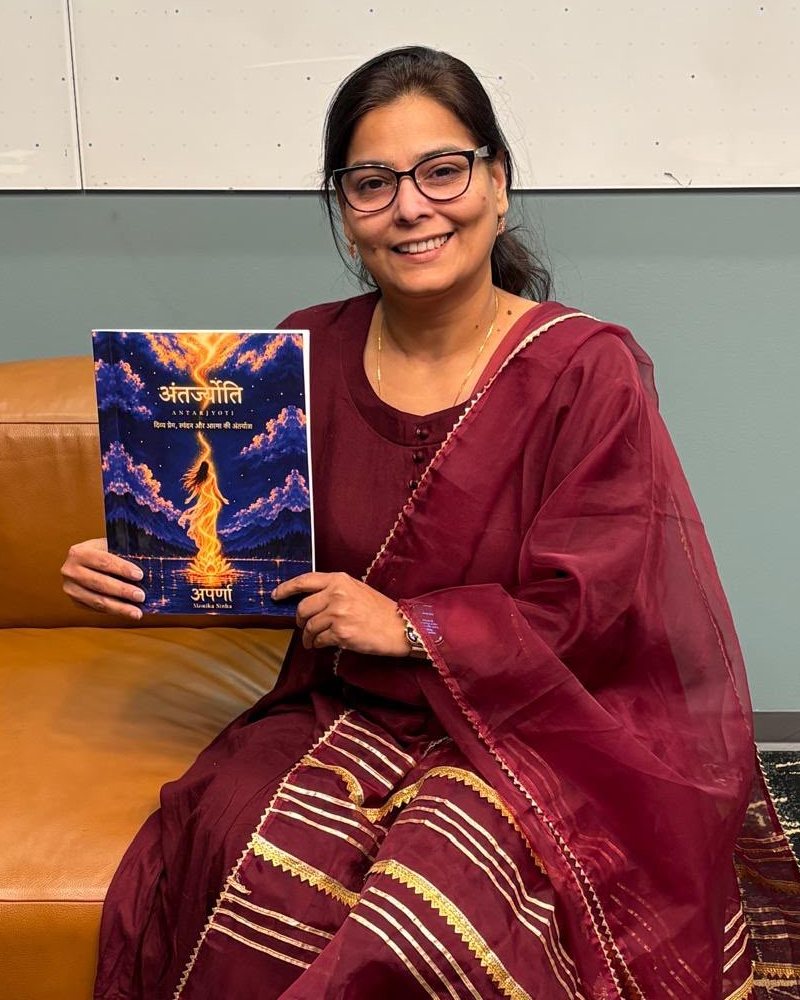
“The team respected the personal and spiritual essence of the book”
Monika Sinha
Author of "Antarjyoti"
Read the full review on Trustpilot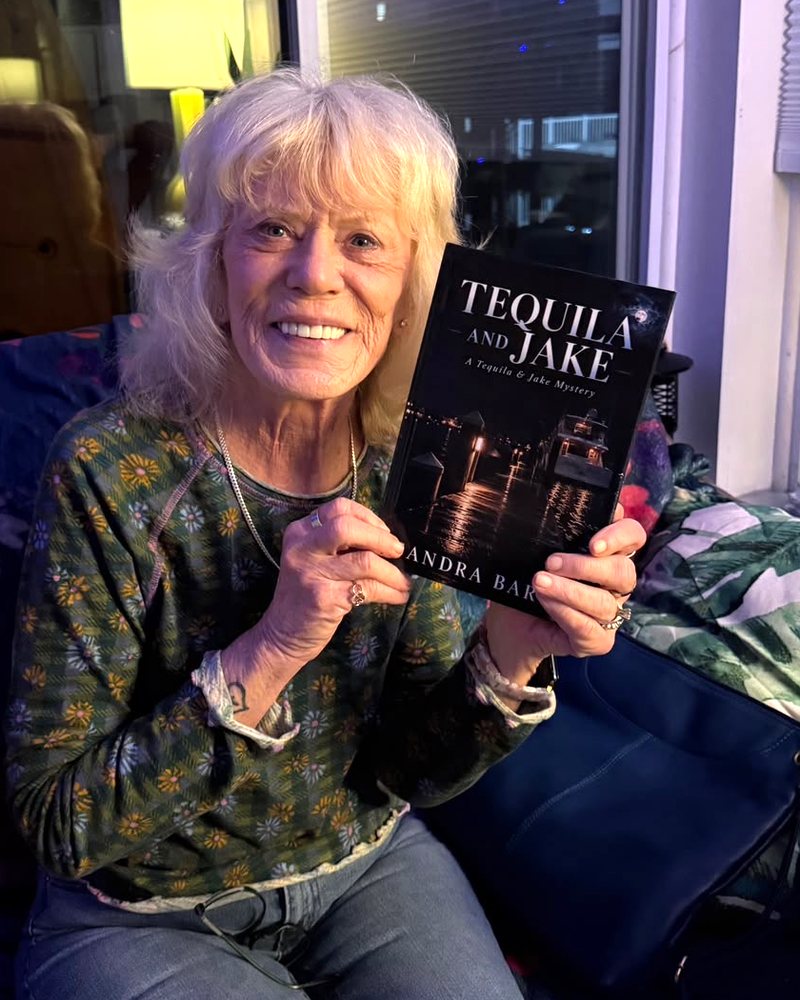
“Seeing my book on Amazon is a dream come true.”
Sandra Barth
Author of "Tequila and Jake: A Tequila & Jake Mystery"
Read the full review on Trustpilot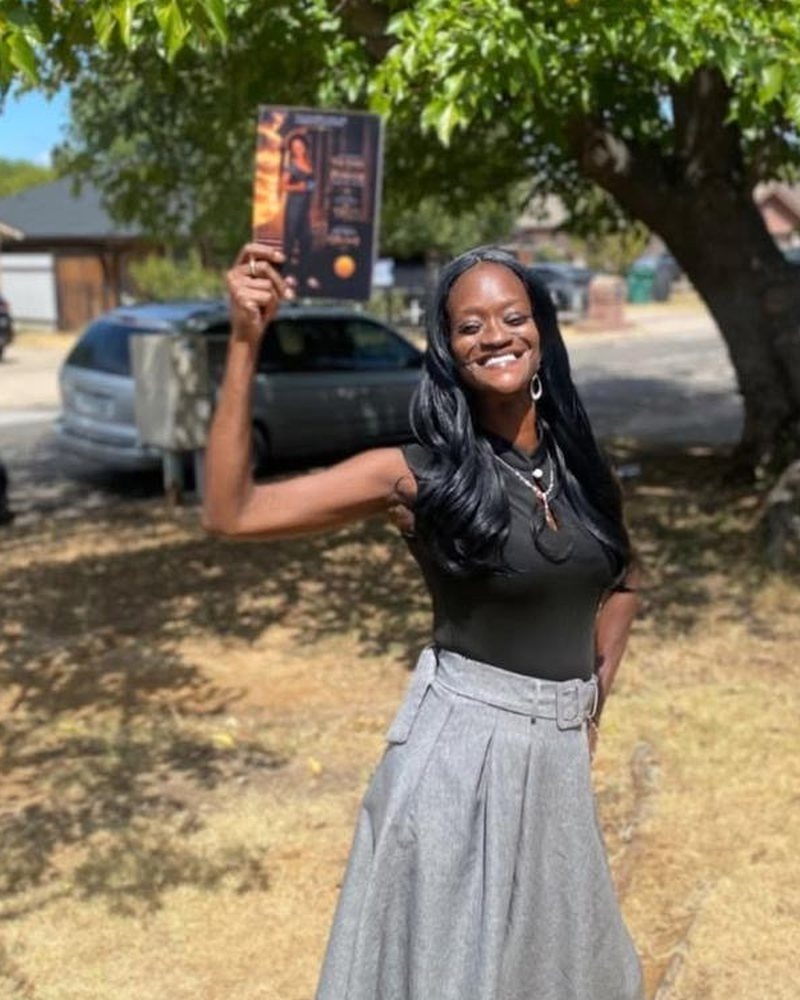
“It was a pleasure working with this company truly!!!”
Sandra Bailey
Author of "Victory & Power Over the System"
See the book on Amazon
More reviews on Trustpilot
“It has been great since the beginning”
Paul Lester
Read the full review on Trustpilot“Excellent job made from this team!”
Royal Hearted god
Read the full review on Trustpilot