How to Write an Illustration Brief for a Children's Book
An illustration brief is a short document that tells an illustrator what to draw: the basics of the book, the story, each character, the settings, the art style you want, a page-by-page plan, your cover ideas and the practical details. A good brief gets you a more accurate quote, fewer rounds of changes and artwork that matches what you had in mind. It works with any illustrator. You can download our free template and fill it in as you read.
The eight parts of a brief
| Part | What it tells the artist |
|---|---|
| 1. Book basics | Title, age range, word count, page count, trim size, formats and number of illustrations |
| 2. The story | What happens, in a few sentences, and how a child should feel at the end |
| 3. Characters | Who they are and what they look like |
| 4. Settings and mood | Where and when the story happens, and its tone |
| 5. Art style | Styles you like and styles you do not want |
| 6. Page-by-page plan | The text and the picture for each page or spread |
| 7. Cover ideas | What goes on the front and back |
| 8. Practical details | Your deadline, how you will review sketches, and rights |
1. Book basics
Give the working title, the age range of your readers, the word count, and the page count if you know it. Say which formats you want (paperback, hardcover, eBook) and the trim size and orientation, because art is drawn to the size and shape of the page. Then say how many illustrations you want and of what kind: full spreads, single pages or small spot illustrations. This number does more than anything else to set the price. See how many pages a picture book should have and which trim sizes are available.
2. The story in a few sentences
Summarize what happens and what a child should feel at the end: safe, brave, amused, curious. Attach the full, edited text as well. The summary gives the artist the tone; the text gives them the detail.
3. Characters
For each main character, give the name, age and type (child, animal, creature), appearance, clothing and colors, and personality. Then list the details that must stay the same on every page, such as a red scarf or a missing tooth. Keeping a character consistent across a whole book is one of the hardest parts of illustration, and this list is what the artist checks against.
| Too vague | Useful |
|---|---|
| A cute little girl | Maya, age 6, short curly black hair, brown skin, yellow raincoat and green boots on every page, shy but curious |
| A friendly dog | Biscuit, a small scruffy brown terrier with one ear that folds over, always carrying a blue ball |
| A nice garden | A small city garden in autumn, late afternoon, with a wooden fence and one apple tree |
4. Settings and mood
Say where and when the story takes place, the main locations, the time of day and the season. Describe the mood in a word or two: cozy, funny, adventurous, calm.
5. Art style
Name two or three published books or illustrators whose style you like, and say what you like about each: the colors, the line, the amount of detail. Say what you do not want as well. If you have a preference for the color palette or the medium, such as watercolor, pencil or ink, include it. Reference books are a guide to taste, not something to copy.
6. The page-by-page plan
This is the most useful part of the brief. Make one row for each page or spread, with the text on that page, what the picture shows, and any notes for the artist.
| Page or spread | Text on the page | What the picture shows | Notes for the artist |
|---|---|---|---|
| 4–5 | "Maya had never seen so much rain." | Maya at the window, looking out at a flooded garden | Leave space for the text top left |
| 6–7 | "Biscuit wanted to go out anyway." | Biscuit at the door with his ball, tail wagging | Keep Biscuit away from the center fold |
Describe the action, not every detail. Leave the artist room to add ideas of their own; that is part of what you are paying for.
Build your page-by-page plan with our free picture book page planner.
7. Cover ideas
Say what should be on the front cover, give the title and author name exactly as they should appear, and include any back cover text. The cover is usually drawn after the interior, but the artist needs to plan for it.
8. Practical details
Give the date you want the book finished, and how you would like to review sketches. List anything the artist must avoid. Ask about rights and credit here too: paying for artwork does not by itself make you the owner of the copyright, so the agreement should say in writing who owns the illustrations. See who owns the illustrations in your children's book and how long illustration takes.
Before you send it
- The text is final and edited.
- The number of illustrations is stated.
- The trim size and orientation are stated, or marked as undecided.
- Every main character has a list of details that must not change.
- Every page or spread has a row in the plan.
- You have left blanks where you are unsure. A good illustrator will ask.
Common mistakes
- Sending a brief before the text is edited.
- Describing characters in one word.
- Dictating every detail of every picture.
- Leaving out the trim size, so the art is drawn to the wrong shape.
- Not asking about rights until the art is finished.
Get the free template
Our illustration brief template has all eight parts laid out, with a page-by-page table to fill in. Get the illustration brief template. Send us the completed brief for a free review and a written quote, or see our children's book illustration and publishing service.
Sources
The character and page examples in this guide are invented for illustration.
Author reviews
Meet the authors behind the books
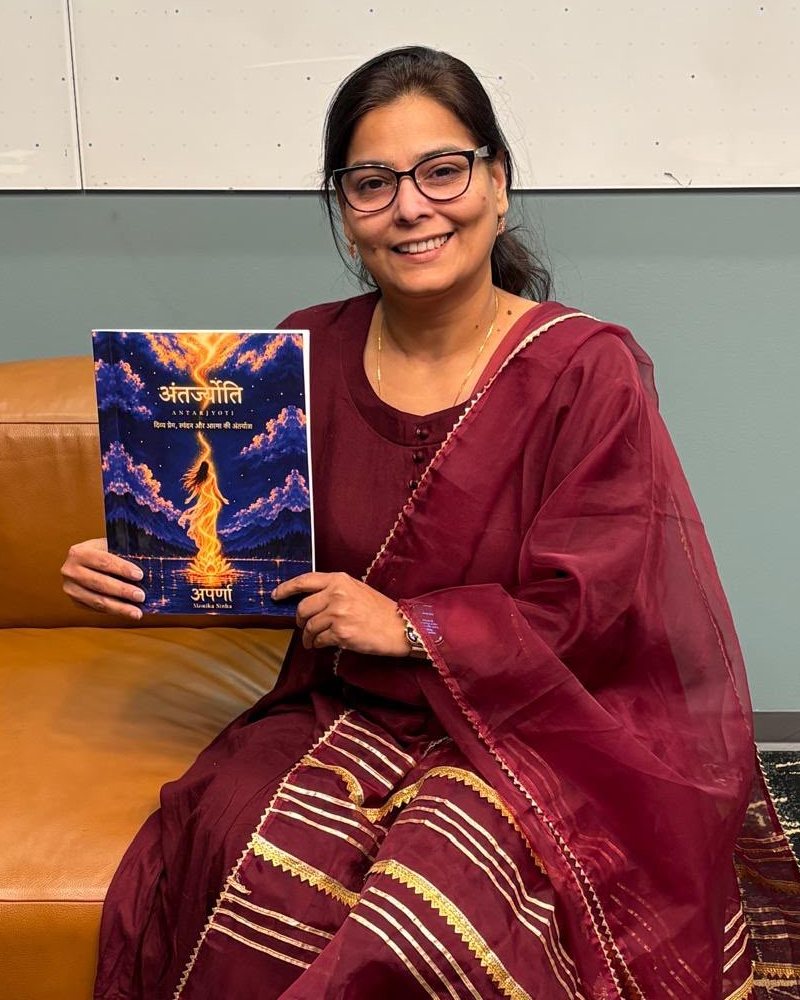
“The team respected the personal and spiritual essence of the book”
Monika Sinha
Author of "Antarjyoti"
Read the full review on Trustpilot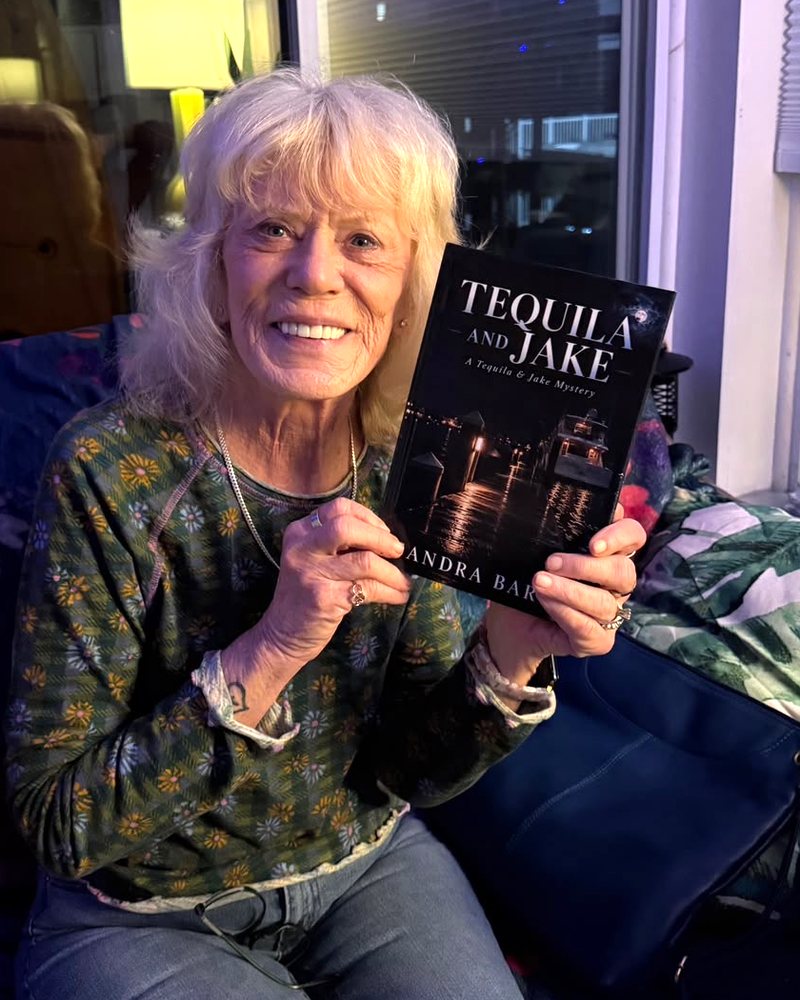
“Seeing my book on Amazon is a dream come true.”
Sandra Barth
Author of "Tequila and Jake: A Tequila & Jake Mystery"
Read the full review on Trustpilot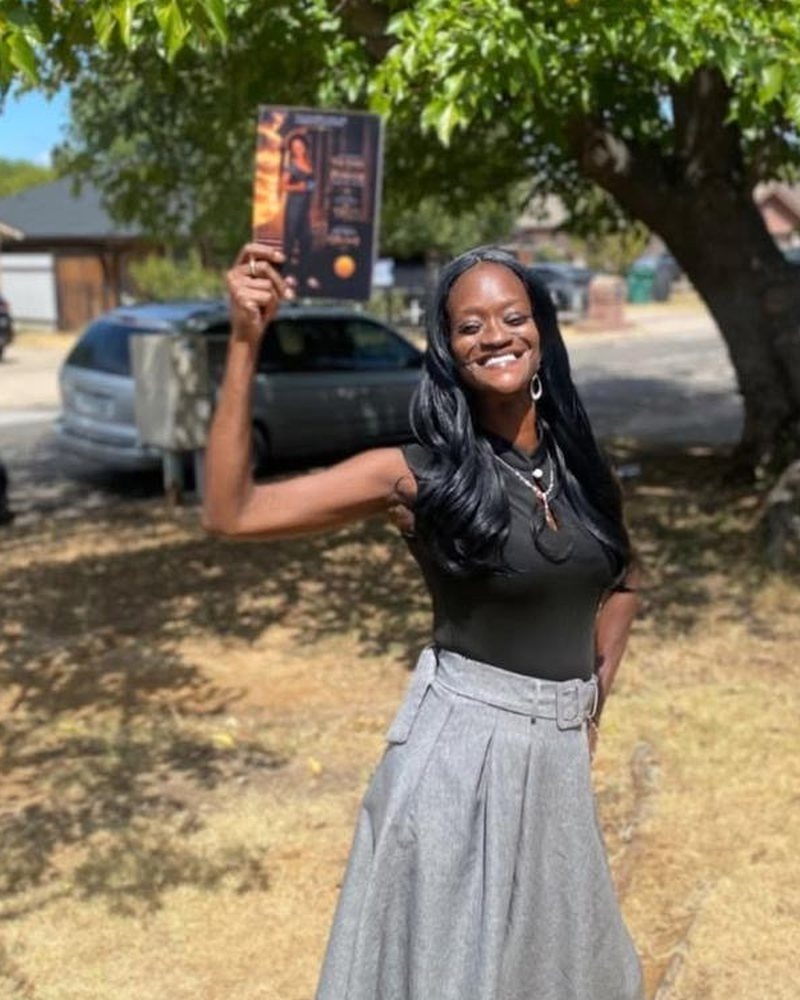
“It was a pleasure working with this company truly!!!”
Sandra Bailey
Author of "Victory & Power Over the System"
See the book on Amazon
More reviews on Trustpilot
“It has been great since the beginning”
Paul Lester
Read the full review on Trustpilot“Excellent job made from this team!”
Royal Hearted god
Read the full review on Trustpilot