How to Choose a Self-Publishing Company
To choose a self-publishing company, first decide which kind of help you need, then compare companies on six things: whose account the book is published in, who holds the rights, who collects the royalties, whether the price is itemized in writing, who will actually do the work, and what happens if you leave. Check each company with an independent source before you pay. Global Publishers House is a company of this kind, so we are not neutral; use the same checks on us.
The five kinds of publishing help
| Option | What it is | You pay | Rights and royalties |
|---|---|---|---|
| Do it yourself | You upload to platforms such as Amazon KDP or IngramSpark | Nothing to upload | Yours |
| Freelancers | You hire an editor, a designer and a formatter one by one | Each freelancer | Yours |
| Author-services company | One team does the editing, design and setup you choose | The company, for the services chosen | Should stay yours, in your own accounts |
| Hybrid publisher | A publisher that charges a fee, selects the books it takes on and shares royalties | The publisher | Set by the contract |
| Vanity press | Presents itself as a publisher but earns from author fees | The press, usually for a package | Often contracted to the press |
"Self-publishing company" usually means the third kind. The same words are also used by hybrid publishers and vanity presses, which is why the checks below matter. See the 10 red flags of a vanity press.
Step 1: Decide what you need help with
List the jobs your book still needs: editing, cover design, interior formatting, illustration, uploading, marketing. A company is most useful when you need several of these and want one team to manage them. If you only need one, a single freelancer may cost less. If your book is plain text and you are comfortable with the upload screens, you may only need an editor. See the steps to publish a book.
Step 2: Compare companies on these six points
| Question | A good answer | A warning sign |
|---|---|---|
| Whose account is the book published in? | Your own Amazon KDP and IngramSpark accounts | The company's account |
| Who holds the rights? | You keep all rights, stated in writing | Rights licensed to the company, or a contract term of several years |
| Who collects the royalties? | The retailer pays you directly | The company is paid first and passes on a share |
| How is the price set out? | An itemized written quote before you commit | A package with an unclear total, or a price that expires in days |
| Who does the work? | Named editors and designers, with a sample edit or past books you can look up | No names and no books you can verify |
| What if you want to stop? | Clear terms, and you receive your files | Fees to leave, or files withheld |
Also ask who is listed as the publisher on the ISBN. If you want your own imprint name on the book, the ISBN should be registered to you. See our ISBN guide.
Step 3: Compare the quotes fairly
- Ask each company to quote the same list of services. A copyedit from one and a proofread from another are different jobs. See the types of book editing.
- Check what is included. Number of revision rounds, both print and eBook files, the cover for each format, and upload to each platform.
- Ask which files you receive. You should get the final print and eBook files and the cover files.
- Compare against market prices. Reedsy's August 2026 marketplace data puts a typical professionally produced book at $2,940 to $5,660. See the full cost breakdown.
- Be careful with marketing promises. No company can guarantee sales, rankings or reviews.
Step 4: Check the company independently
- ALLi service ratings. The Alliance of Independent Authors' Watchdog Desk rates self-publishing services, using ratings such as Excellent (Partner Member), Mixed and Watchdog Advisory. The ratings are the opinion of the Watchdog Desk. A company that is not listed has not been rated either way.
- Writer Beware. Run by the Science Fiction and Fantasy Writers Association, it explains how vanity, subsidy and hybrid publishers work and collects writers' complaints.
- Reviews the company cannot edit. Read them on the review site itself, not through links on the company's website.
- The books. Look up books the company says it worked on and check where they are sold and who is listed as the publisher.
If the company calls itself a hybrid publisher
The Independent Book Publishers Association (IBPA) publishes Hybrid Publisher Criteria with 11 points, updated in 2022. IBPA says a publisher that describes itself as hybrid should meet all 11. They include vetting submissions, providing distribution services and paying authors a higher-than-standard royalty. If a company uses the word "hybrid" but accepts every manuscript, ask how it meets the criteria.
When you may not need a company
You can publish without one. Uploading to Amazon KDP is free, and many authors hire a single editor and cover designer and do the rest themselves. A company makes sense when you want one team to handle several jobs, when the book has a complex layout such as a children's picture book, or when your time is worth more than the fee.
Checklist before you sign
- The book will be published in my own accounts.
- The agreement says I keep all rights and royalties.
- I have an itemized written quote.
- I know who will edit and design the book.
- I know how many revision rounds are included.
- I will receive the final files.
- I know what happens if I stop partway through.
- I have checked the company with at least one independent source.
For a contract question, talk to a lawyer; this guide is not legal advice.
How we work
Global Publishers House is an author-services company, not a publisher. You get a written scope and quote before work starts, your book is published in your own accounts, you approve every stage, and you keep 100% of your rights and royalties. Read our rights and royalties policy, see our publishing services or ask us the questions above.
Sources
Author reviews
Meet the authors behind the books
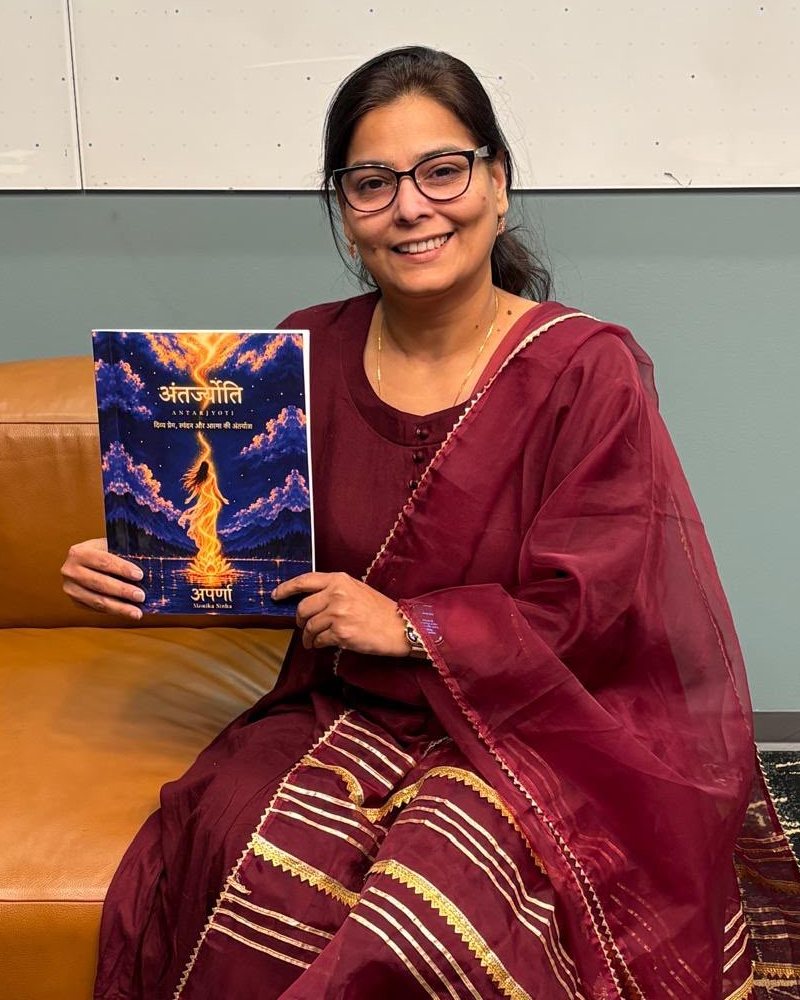
“The team respected the personal and spiritual essence of the book”
Monika Sinha
Author of "Antarjyoti"
Read the full review on Trustpilot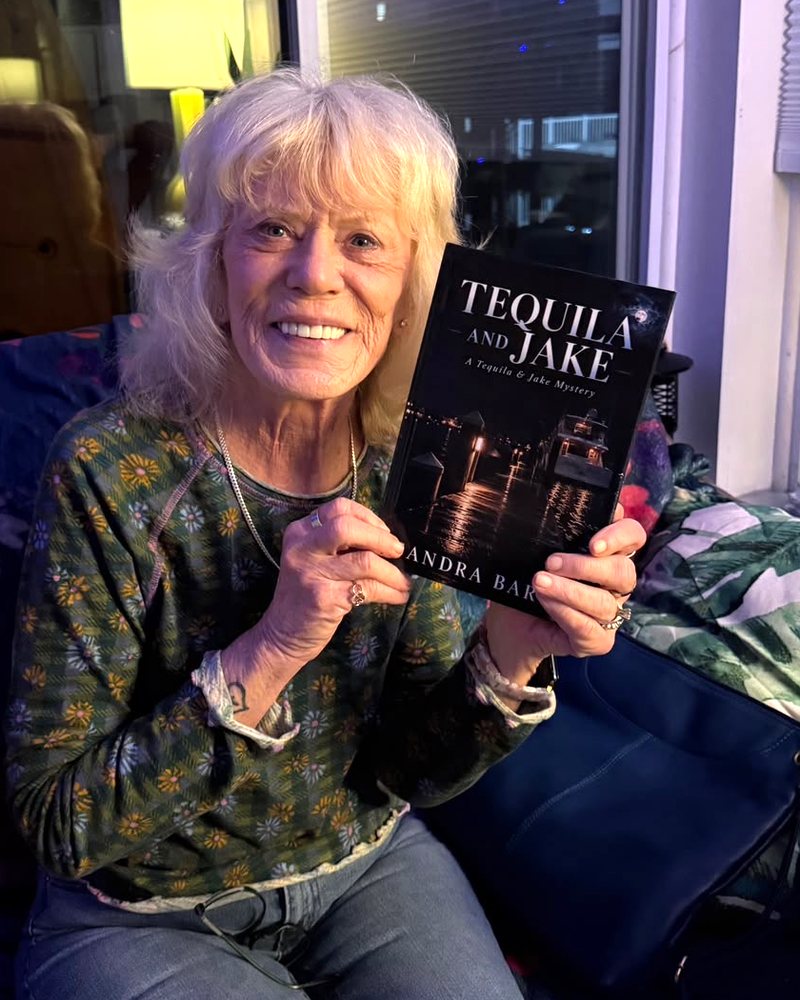
“Seeing my book on Amazon is a dream come true.”
Sandra Barth
Author of "Tequila and Jake: A Tequila & Jake Mystery"
Read the full review on Trustpilot
“It was a pleasure working with this company truly!!!”
Sandra Bailey
Author of "Victory & Power Over the System"
See the book on Amazon
More reviews on Trustpilot
“It has been great since the beginning”
Paul Lester
Read the full review on Trustpilot“Excellent job made from this team!”
Royal Hearted god
Read the full review on Trustpilot