Hand-Drawn vs AI Illustration for Children's Books
Hand-drawn illustration generally costs more and takes longer, while AI-generated illustration is generally faster and cheaper up front. The main differences for an author are how the artwork is made, US copyright protection, Amazon KDP disclosure and character consistency. Global Publishers House uses hand-drawn illustration only, so we are not neutral; the facts are sourced below.
The short answer
KDP requires you to disclose AI-generated images, including covers and interior artwork, but not AI-assisted content. The US Copyright Office says copyright requires human authorship and material generated entirely by AI is not copyrightable. This is general information, not legal advice. These are US copyright statements; other countries differ.
Hand-drawn and AI illustration at a glance
| Question | Hand-drawn illustration | AI-generated illustration |
|---|---|---|
| How it is made | An artist draws the artwork | An AI-based tool creates the images |
| Copyright position in the US | Human authorship can support copyright protection; agree ownership in writing | Material generated entirely by AI is not copyrightable; human contributions are considered case by case |
| Amazon KDP disclosure | No AI disclosure for entirely hand-drawn work; AI-assisted content does not require disclosure | AI-generated cover and interior images must be disclosed |
| Character consistency across pages | An artist can work from agreed character sketches; check consistency as the book develops | Keeping a character identical across many pages is a known difficulty with AI image tools; test before committing |
| Cost | Generally costs more | Generally cheaper up front |
| Time | Generally takes longer | Generally faster up front |
| Changes and revisions | Agree revision stages and approve sketches before finished artwork | Test whether changes preserve the character and the rest of the scene |
The copyright comparison describes US law, not an ownership guarantee for a particular book.
What Amazon KDP asks you to declare
Amazon KDP's Content Guidelines define AI-generated content as text, images or translations created by an AI-based tool. It stays AI-generated even if you make substantial edits afterward.
You must inform KDP of AI-generated content when publishing a new book or making edits to and republishing an existing book. AI-generated images include cover and interior images and artwork.
KDP defines AI-assisted content as content you created yourself and used AI tools to edit, refine, error-check or otherwise improve. Brainstorming with AI also counts as AI-assisted. You are not required to disclose AI-assisted content.
You are responsible for making sure all content follows KDP's guidelines, including intellectual property rights. The disclosure requirement is not a statement that AI art is illegal or banned by Amazon.
What the US Copyright Office says
In "Copyright and Artificial Intelligence, Part 2: Copyrightability", published 29 January 2025, the US Copyright Office says copyright requires human authorship. Material generated entirely by AI is not copyrightable. Prompts alone do not give a user enough control to be the author of the output.
Human-authored parts of a work and a human's creative selection and arrangement of material can still be protected. The Office looks at this case by case. That matters if you want to own and protect artwork for recurring characters: do not assume a prompt gives you copyright in an AI output, or that protection for human contributions covers every part of it. This is general information, not legal advice.
Hand-drawn work still needs a clear rights agreement. Read who owns children's book illustrations before paying.
AI-assisted versus AI-generated in practice
If an artist creates an illustration and uses AI tools only to refine or error-check that original work, KDP describes that as AI-assisted. If an AI tool creates the image, editing it substantially afterward does not change KDP's AI-generated classification. Using AI to brainstorm ideas before creating the artwork yourself counts as AI-assisted.
Ask how each image was made rather than relying on labels such as "digital art". KDP's disclosure categories and US copyright protection are separate questions.
Questions to ask an illustrator
- Will you draw the illustrations yourself?
- Will an AI tool create any cover or interior images?
- If you use AI only to assist, what does it do?
- Can I review sketches and work in progress for my characters?
- How will you keep the characters consistent across the book?
- How will changes and revisions work?
- What rights will the written agreement give me?
Our guide to hiring a children's book illustrator explains the brief and agreement.
Which should you choose?
AI may suit a private or very low-budget project where ownership matters less. Test character consistency and changes before committing, and follow KDP's disclosure rules if you publish there.
Hand-drawn illustration suits authors who want to own the artwork, build a series or sell commercially. Agree the rights in writing rather than assuming payment transfers them. This is general information, not legal advice.
Want it handled for you?
Our vetted artists illustrate children's books by hand from your brief, with no AI art, and you own the rights to the illustrations. We share samples privately on request. See our children's book illustration and publishing service or get the free illustration brief template.
Sources
- Amazon KDP: Content Guidelines
- US Copyright Office: Copyright and Artificial Intelligence, Part 2: Copyrightability (published 29 January 2025)
Author reviews
Meet the authors behind the books
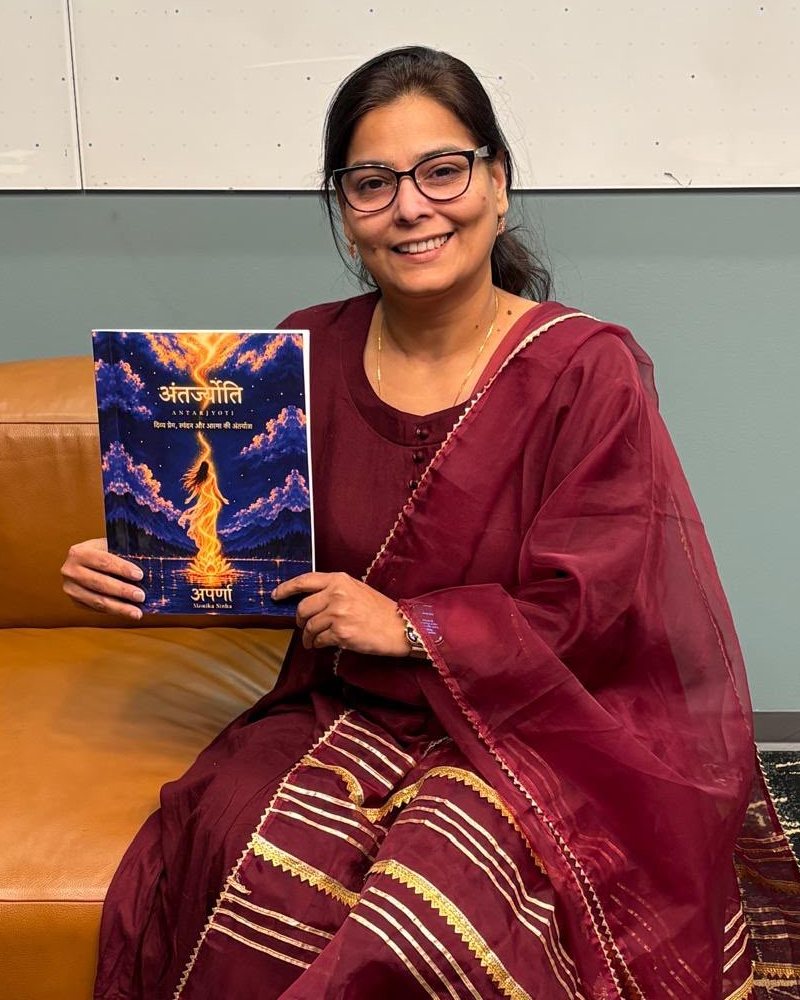
“The team respected the personal and spiritual essence of the book”
Monika Sinha
Author of "Antarjyoti"
Read the full review on Trustpilot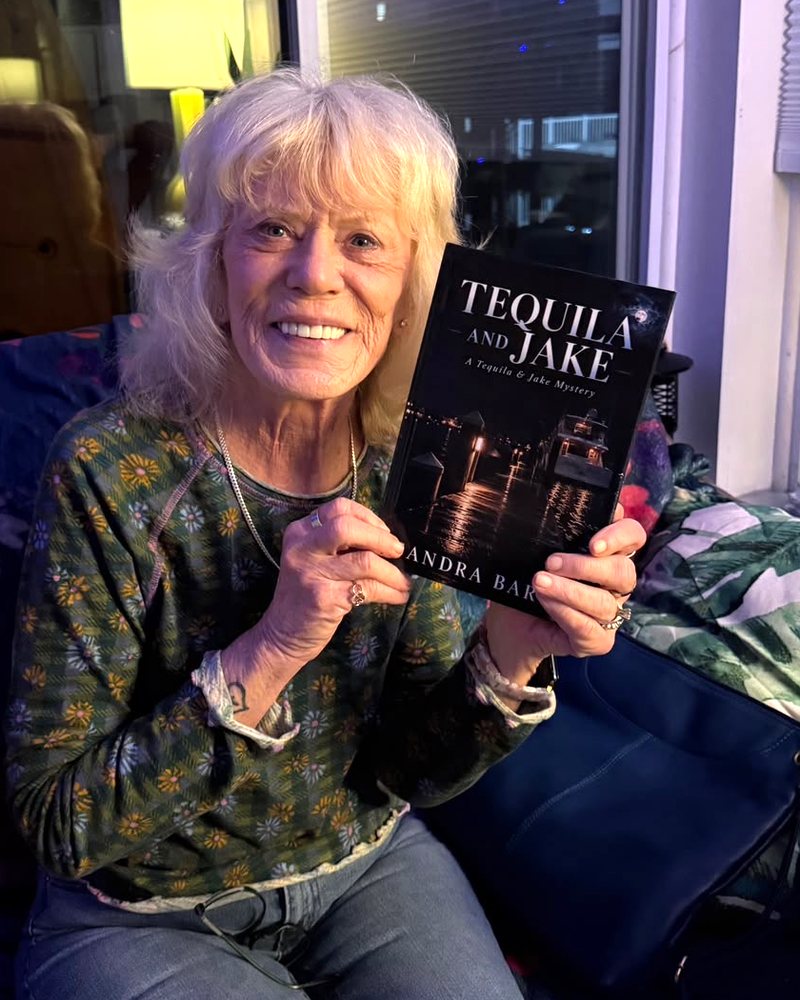
“Seeing my book on Amazon is a dream come true.”
Sandra Barth
Author of "Tequila and Jake: A Tequila & Jake Mystery"
Read the full review on Trustpilot
“It was a pleasure working with this company truly!!!”
Sandra Bailey
Author of "Victory & Power Over the System"
See the book on Amazon
More reviews on Trustpilot
“It has been great since the beginning”
Paul Lester
Read the full review on Trustpilot“Excellent job made from this team!”
Royal Hearted god
Read the full review on Trustpilot